

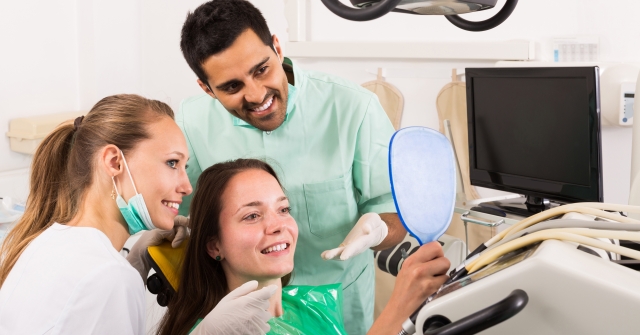
The Dawn of a New Era in Oral Healthcare
Modern dentistry increasingly recognises saliva as more than just a lubricant for the mouth. It is a complex biological fluid containing enzymes, proteins, hormones, antibodies, and genetic material that can provide valuable insights into a patient’s overall health. As a result, saliva is becoming an important tool in early diagnosis and preventive care.
The development of non-invasive saliva-based testing is transforming how dental professionals detect and monitor disease. These methods allow clinicians to identify potential health issues earlier and more comfortably than traditional approaches, improving opportunities for timely intervention.
By using saliva as a diagnostic tool, dental professionals can better understand both oral and systemic health. Consulting a dentist Welling can help patients benefit from these advances in preventive dentistry and support earlier detection of potential concerns.
Understanding the Science Behind Salivary Testing
Saliva contains biomarkers that can indicate the presence of various oral and systemic diseases long before symptoms become apparent. These biomarkers include enzymes, immunoglobulins, and bacterial DNA, each providing valuable diagnostic information. When a dentist Welling analyse these components, they can detect early signs of periodontal disease, oral cancer, diabetes, and even cardiovascular conditions.
Key Biomarkers in Salivary Diagnostics
The effectiveness of salivary testing relies on identifying specific biomarkers that correlate with disease states. Researchers have identified numerous indicators that prove particularly valuable in clinical settings. Elevated levels of certain enzymes, for instance, may suggest active tissue breakdown associated with periodontal disease, whilst the presence of specific bacterial species can indicate an increased risk of caries development.
Furthermore, research into salivary diagnostics and their clinical applications continues to expand our understanding of how these biomarkers function and what they reveal about patient health. This ongoing scientific investigation ensures that diagnostic capabilities continue to improve, offering ever more precise and reliable results.
Practical Applications in Modern Dental Practice
The integration of salivary diagnostics into routine dental care has opened up exciting possibilities for personalised treatment planning. Practitioners can now assess a patient’s susceptibility to specific conditions and tailor preventive strategies accordingly. This proactive approach represents a departure from the traditional reactive model, where treatment typically begins only after disease has manifested visibly.
Salivary testing proves particularly valuable in monitoring patients with a history of periodontal disease. By regularly analysing saliva samples, dental professionals can track inflammatory markers and bacterial loads, adjusting treatment protocols as needed. This continuous monitoring helps prevent disease recurrence and ensures interventions remain effective over time.
Benefits for Patient Care and Experience
From a patient perspective, salivary diagnostics offer numerous advantages over conventional testing methods. The collection process is straightforward, requiring only a simple saliva sample rather than invasive procedures. This ease of collection makes testing accessible to patients who may experience anxiety about traditional dental examinations or those with medical conditions that complicate standard diagnostic approaches.
The speed at which results can be obtained also enhances patient care. Many salivary tests provide results within minutes, allowing dental professionals to make informed decisions during a single appointment. This efficiency streamlines the treatment process and reduces the need for multiple visits, benefiting both practitioners and patients alike.
The Future of Preventive Dental Care
As technology advances and our understanding of salivary biomarkers deepens, the potential applications for these diagnostics continue to expand. Emerging research suggests that saliva may soon be used to detect systemic conditions such as Alzheimer’s disease and certain cancers, positioning dental professionals as crucial frontline healthcare providers. The American Dental Association’s resources on salivary diagnostics highlight the growing recognition of this technology’s importance within the profession.
The revolution in salivary diagnostics represents more than just technological advancement; it embodies a fundamental shift towards preventive, patient-centred care. As more practices adopt these innovative tools, early disease detection becomes increasingly achievable, ultimately improving outcomes and quality of life for patients across all demographics. The commitment to embracing such advancements ensures that dental care remains at the forefront of medical innovation, delivering superior results through evidence-based, minimally invasive approaches.