

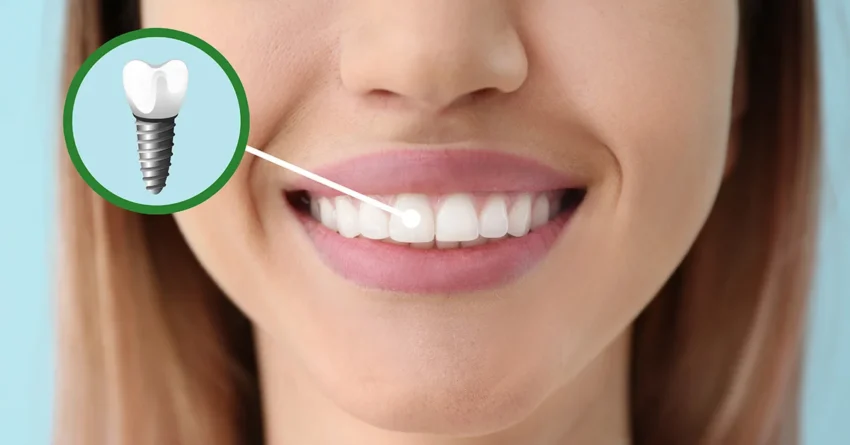
The Hidden Connection Between Your Teeth and Your Tummy
When most people consider dental implants Navan, they typically focus on the aesthetic benefits or the convenience of a permanent tooth replacement solution. However, the relationship between oral health and digestive wellness runs far deeper than many realise. The ability to chew food properly represents the crucial first step in the digestive process, and when this function becomes compromised due to missing teeth, the entire gastrointestinal system can suffer the consequences.
Dental implants offer a remarkable solution that extends well beyond simply filling gaps in one’s smile. These sophisticated tooth replacements restore the mechanical function of natural teeth, enabling patients to break down food efficiently and thoroughly. This seemingly simple restoration of chewing capacity can trigger a cascade of positive effects throughout the digestive tract, ultimately influencing overall health and nutritional status in profound ways.
The Fundamental Role of Proper Mastication
Digestion begins in the mouth, where teeth serve as the body’s primary food processing equipment. When teeth are missing or ill-fitting dentures make chewing uncomfortable, individuals often resort to swallowing larger pieces of food. This places considerable strain on the stomach and intestines, which must work harder to break down inadequately chewed material. The mechanical breakdown of food during chewing not only reduces particle size but also increases the surface area available for digestive enzymes to act upon.
Furthermore, the act of chewing stimulates saliva production, which contains essential enzymes such as amylase that initiate the breakdown of carbohydrates. Without proper mastication, this critical first stage of digestion becomes compromised. Research has demonstrated the significant impact that tooth replacement can have on nutritional absorption, highlighting the importance of restoring full chewing function.
How Dental Implants Restore Digestive Efficiency
Superior Stability and Chewing Force
Unlike traditional dentures, which can slip and reduce bite force by up to 75 percent, dental implants offer stability comparable to natural teeth. This enhanced stability allows patients to apply appropriate pressure when chewing, ensuring food is properly broken down before swallowing. The titanium posts that anchor implants into the jawbone create a foundation that withstands the forces of normal chewing without movement or discomfort.
Expanded Dietary Options and Nutritional Variety
One of the most significant advantages of dental implants lies in the dietary freedom they provide. Individuals with missing teeth or unstable dentures often find themselves avoiding nutritious foods that require substantial chewing effort. Crisp vegetables, fresh fruits, nuts, seeds, and lean meats frequently become off-limits, leading to a reliance on softer, often less nutritious alternatives. This dietary restriction can result in deficiencies in essential vitamins, minerals, and protein.
With dental implants firmly in place, patients can confidently consume a diverse range of foods, ensuring their bodies receive the full spectrum of nutrients necessary for optimal health. The restoration of normal eating patterns through implant treatment enables individuals to enjoy crunchy vegetables rich in fibre, which supports digestive health and promotes beneficial gut bacteria.
The Broader Impact on Nutritional Wellbeing
The ability to maintain a varied and nutritious diet has far-reaching implications for overall health. Adequate protein intake, which often requires the ability to chew meat and legumes effectively, supports muscle maintenance, immune function, and tissue repair. Similarly, consuming raw vegetables and fruits provides essential antioxidants, vitamins, and phytonutrients that cooked or processed alternatives may lack.
Moreover, improving digestive health through proper dental function can enhance energy levels, support weight management, and reduce gastrointestinal discomfort. When food is thoroughly chewed, the stomach and intestines can process it more efficiently, reducing issues such as bloating, indigestion, and nutrient malabsorption.
Long-Term Health Benefits and Quality of Life
The investment in dental implants represents more than cosmetic enhancement; it constitutes a commitment to long-term digestive health and nutritional wellbeing. Patients who undergo implant treatment frequently report improved digestion, increased dietary satisfaction, and enhanced overall quality of life. The psychological benefits of eating confidently in social situations further contribute to wellbeing, reducing stress that can itself negatively impact digestion.
Embracing Comprehensive Oral Health for Total Wellness
The connection between dental implants and digestive health illustrates the intricate relationship between oral function and overall wellbeing. By restoring proper chewing capability, dental implants enable patients to optimise their nutritional intake, support efficient digestion, and enjoy the pleasures of varied cuisine. This holistic approach to dental care recognises that healthy teeth contribute to a healthy body, making implants a worthwhile consideration for anyone seeking to enhance both their smile and their systemic health.